
Why Boreholes Fail and the Remedy
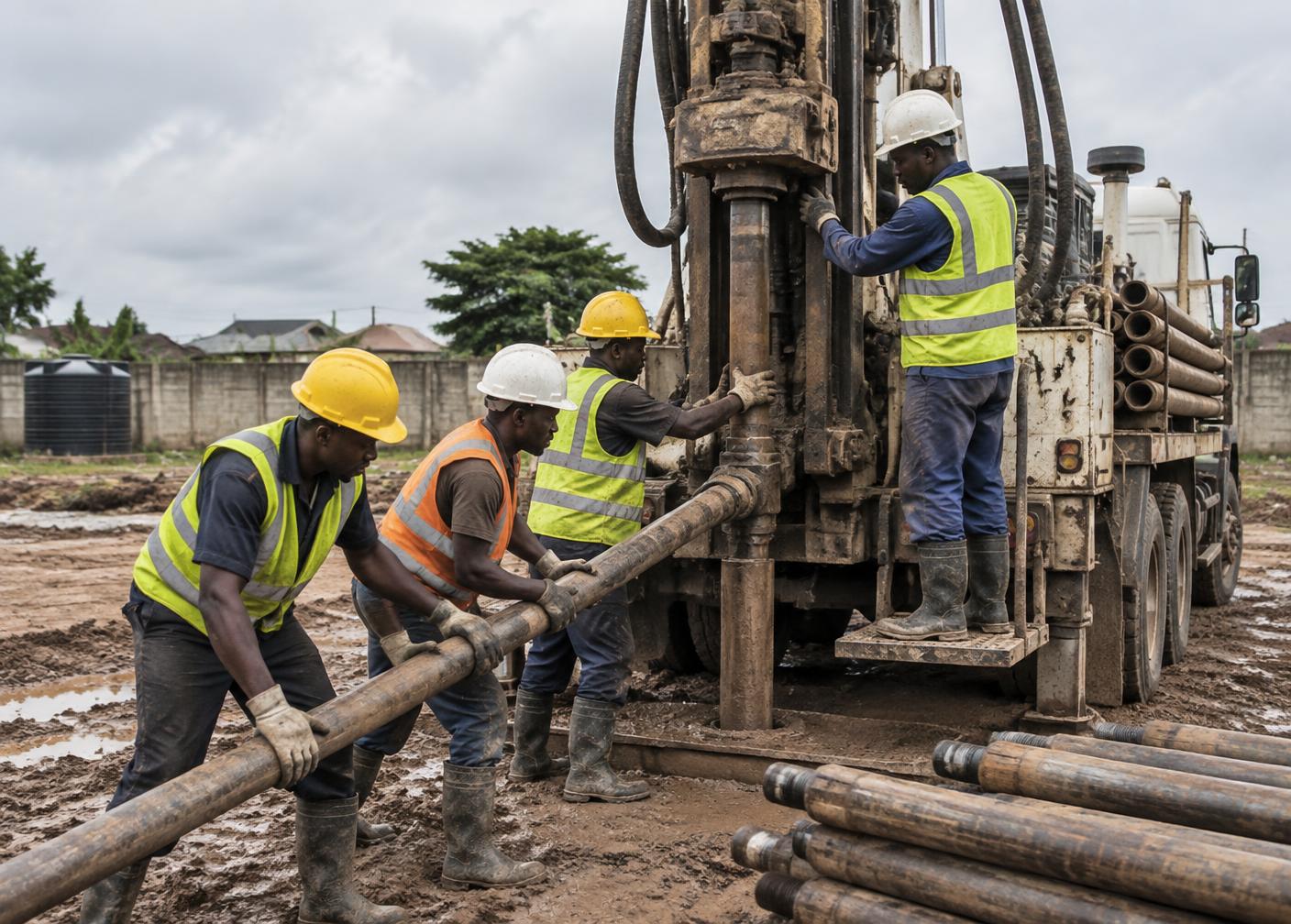
Is your borehole pumping sand, yielding less water, or completely dry? Learn the top reasons why boreholes fail and how Achievers can fix them.
A properly constructed borehole should provide clean, uninterrupted water for decades. However, we are frequently called to rescue boreholes drilled by other contractors that have failed after only a few years. Understanding why boreholes fail is the first step to preventing it.
1. Skipping the Geological Survey
Many failures happen before the drill even touches the ground. Guessing where the water is, rather than conducting a scientific geophysical survey, often results in drilling a 'dry hole' or tapping into a weak, seasonal aquifer that runs dry during the harmattan season.
Remedy: Always insist on a professional water survey to pinpoint the exact depth and location of the best aquifer.
2. Poor Casing and Screening
If your borehole is suddenly pumping sand or muddy water, the casing has likely failed. If a driller uses cheap, thin pipes, the pressure of the earth will eventually crush them. Furthermore, if they do not install proper 'screens' (slotted pipes wrapped in filter mesh) and gravel packs, sand will constantly enter the water supply.
Remedy: We can sometimes install a smaller, high-quality casing inside the damaged one to save the well, though severe collapses may require a fresh drill.
3. Incorrect Pump Sizing
Installing a massive pump in a low-yield borehole will rapidly pump the well dry, causing the pump to run without water (dry-running), which burns out the motor.
Remedy: We perform yield testing on every well we drill to match the exact horsepower of the pump to the natural refill rate of your aquifer.