Myths and Realities About Borehole Drilling
We debunk the most common myths about groundwater, drilling during the rainy season, and how to find the best water on your property.
Water drilling is an ancient practice, and because of that, there are many myths and misconceptions that still confuse property owners today. Let’s separate fact from fiction.
Myth 1: Water divining (using a stick) is the best way to find water.
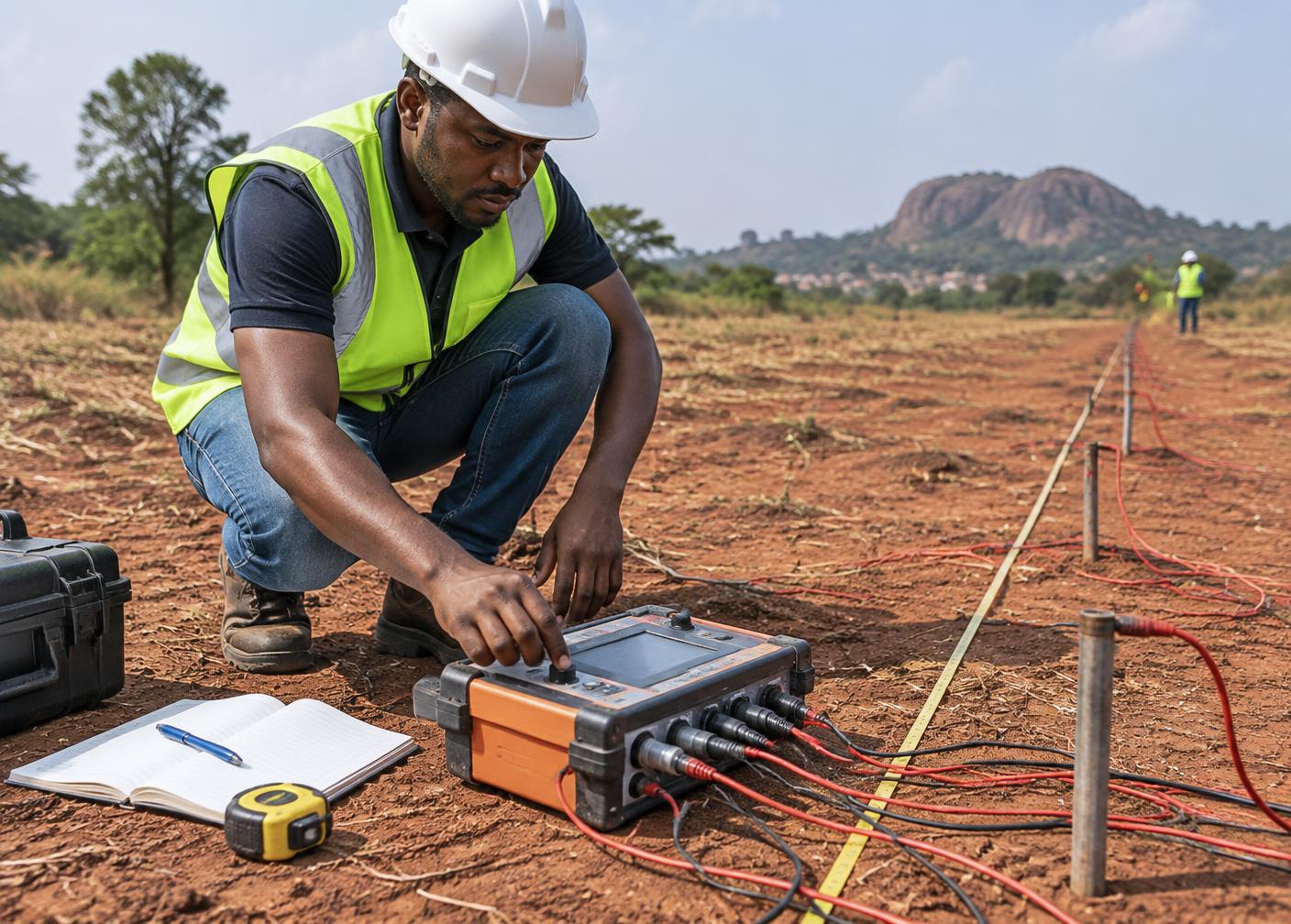
Reality: While water divining is a famous tradition, it is not scientifically reliable. Modern borehole drilling relies on Geophysical and Hydrogeological surveys. Using resistivity meters, we can 'see' beneath the earth, identifying exactly how deep the water-bearing fractures are and mapping the rock formations before we bring in the heavy machinery.
Myth 2: You shouldn't drill during the rainy season.
Reality: You can drill a borehole at any time of the year! Some people believe that drilling in the rainy season will give a false reading of water levels. However, a professional driller targets deep, confined aquifers, not the shallow surface water that fluctuates with the rain. A deep aquifer provides consistent water year-round.
Myth 3: All boreholes eventually dry up.
Reality: A properly sited and constructed borehole tapping into a primary aquifer can last for generations. 'Dry' boreholes are usually the result of a contractor stopping the drill too early to save money, rather than the actual underground water source disappearing.