The Cost of Drilling a Borehole in Abeokuta and Selected Cities in Nigeria
Understanding the true cost of borehole drilling in Nigeria. Why prices vary between Abeokuta, Lagos, and Ibadan, and what factors influence your final quote.
One of the most common questions we get at Achievers Geotechnical Services is: 'How much does it cost to drill a borehole?' The truth is, there is no single flat rate. The cost of drilling a borehole in Abeokuta, Lagos, or Ibadan varies based on geology, depth, and the materials used.
1. The Geology of the Area
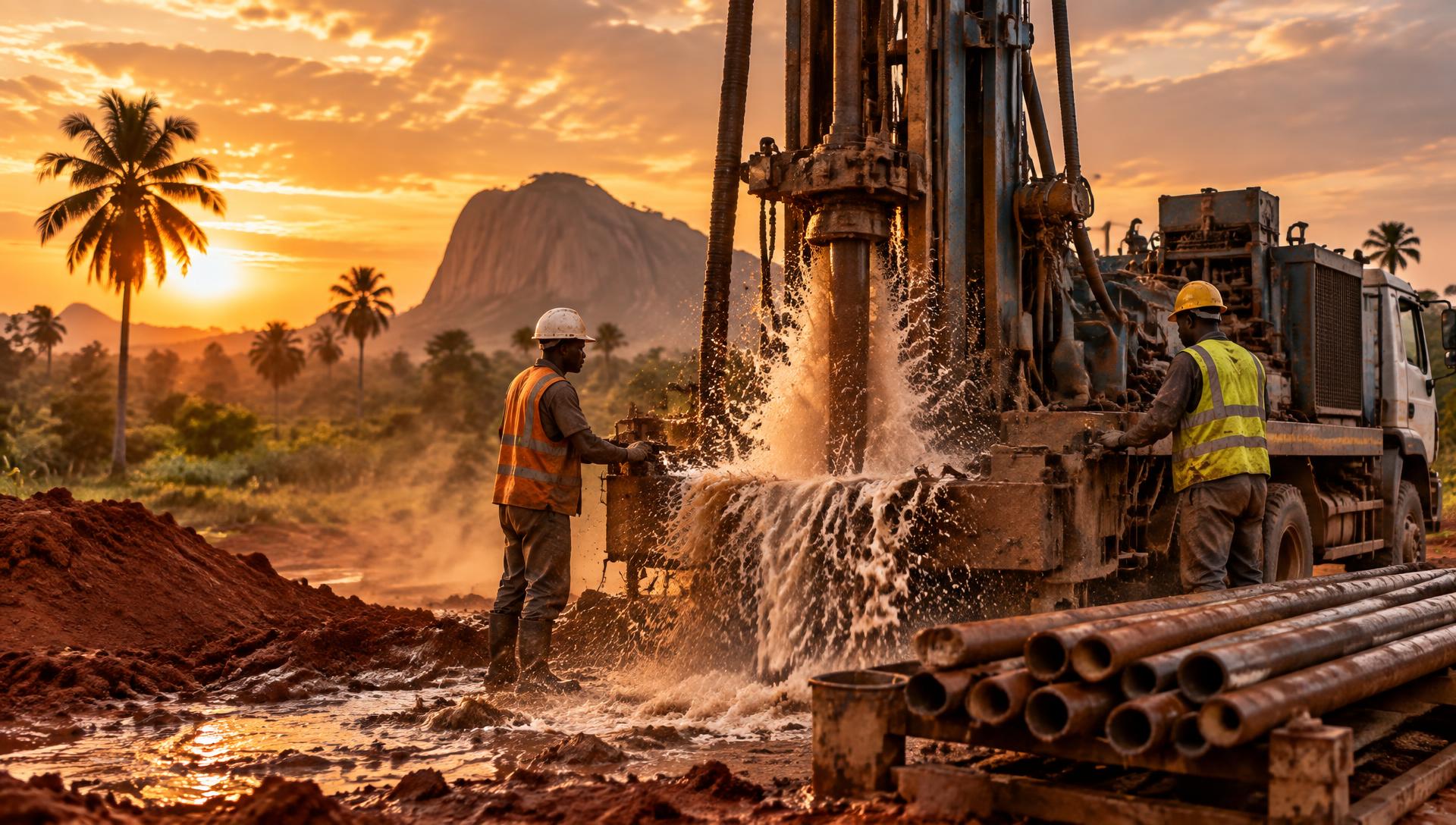
The type of soil or rock beneath your property is the biggest factor. Abeokuta, for example, is famous for its hard rock formations (the name literally means 'Under the rock'). Drilling through solid granite requires specialized Odex or heavy rotary rigs, which takes more time, fuel, and specialized drill bits than drilling through the soft, sandy formations found in parts of Lagos or coastal Ogun State.
2. The Required Depth
Water sits at different depths depending on your location. In some areas, clean aquifers can be reached at 40 meters. In other locations, you might need to drill past 120 or 150 meters to get a reliable, high-yield supply. Naturally, a deeper borehole requires more drilling time, more casing pipes, and a more powerful submersible pump, increasing the cost.
3. Quality of Materials (The Hidden Cost)
Some drillers offer exceptionally low quotes, but they achieve this by using thin, low-grade PVC casings and inferior pumps. While it saves money today, the casing can collapse under ground pressure within a year, destroying the borehole entirely. At Achievers, we strictly use thick-walled, high-pressure PVC or steel casings that are guaranteed to last for decades.
Conclusion
When comparing quotes, ensure you are comparing apples to apples. Ask about the casing thickness, the pump brand, and if a geophysical survey is included. A properly constructed borehole is a lifetime investment for your home or business.